Elevate your interiors with panelling, it's no secret that I love a bit (ok, a lot) of panelling. I don't think there's a project in my later career where I haven't used it in some form.
How To
How to use panelling
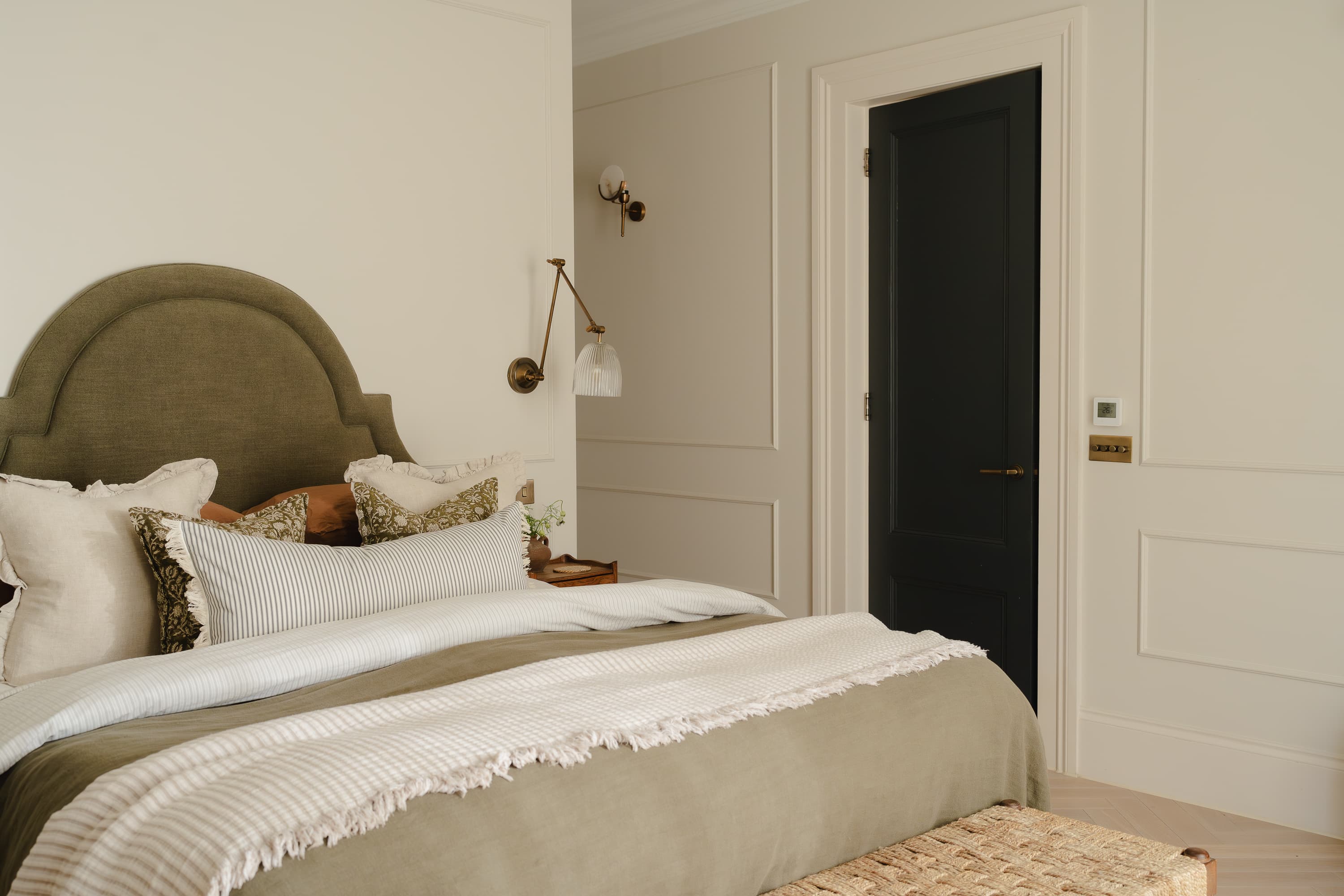
When it comes to interior design, there are countless ways to transform a space, and one versatile option that has stood the absolute test of time is panelling. It isn't just about enhancing the visual appeal of your home; it can also serve functional purposes, from adding warmth and texture to providing insulation and protection.
Panelling has a rich history in interior design. It has graced the walls of grand estates and cosy cottages alike, adding character and elegance for many years. The versatility of it allows you to achieve a wide range of styles, from classic to contemporary, making it suitable for any interior.
Choosing the right material
The first step in using interior panelling effectively is selecting the right material. Each offers distinct advantages:
- Wood, brings warmth and character, ideal for traditional and rustic interiors; you'll see all the lovely knots and grain. As boards are applied individually they are more expensive and prone to movement.
- MDF, a cost-effective option that can be painted to achieve a variety of looks.
- PVC, moisture-resistant, making it perfect for bathrooms and kitchens.
- Metal, lends a modern and industrial vibe to a space.
- Fabric-covered, a stylish choice for adding texture and softness to a room.
What panelling does
- Decoration, the primary function of many panels is to enhance the aesthetic of a room, in a variety of styles, patterns and finishes.
- Insulation, some panels are designed for thermal or acoustic insulation, regulating temperature and reducing noise.
- Protection, panelling protects walls from everyday wear and tear, particularly in high-traffic areas like hallways and entryways.
- Covering imperfections, it can cover cracks or uneven surfaces, providing a polished finish.
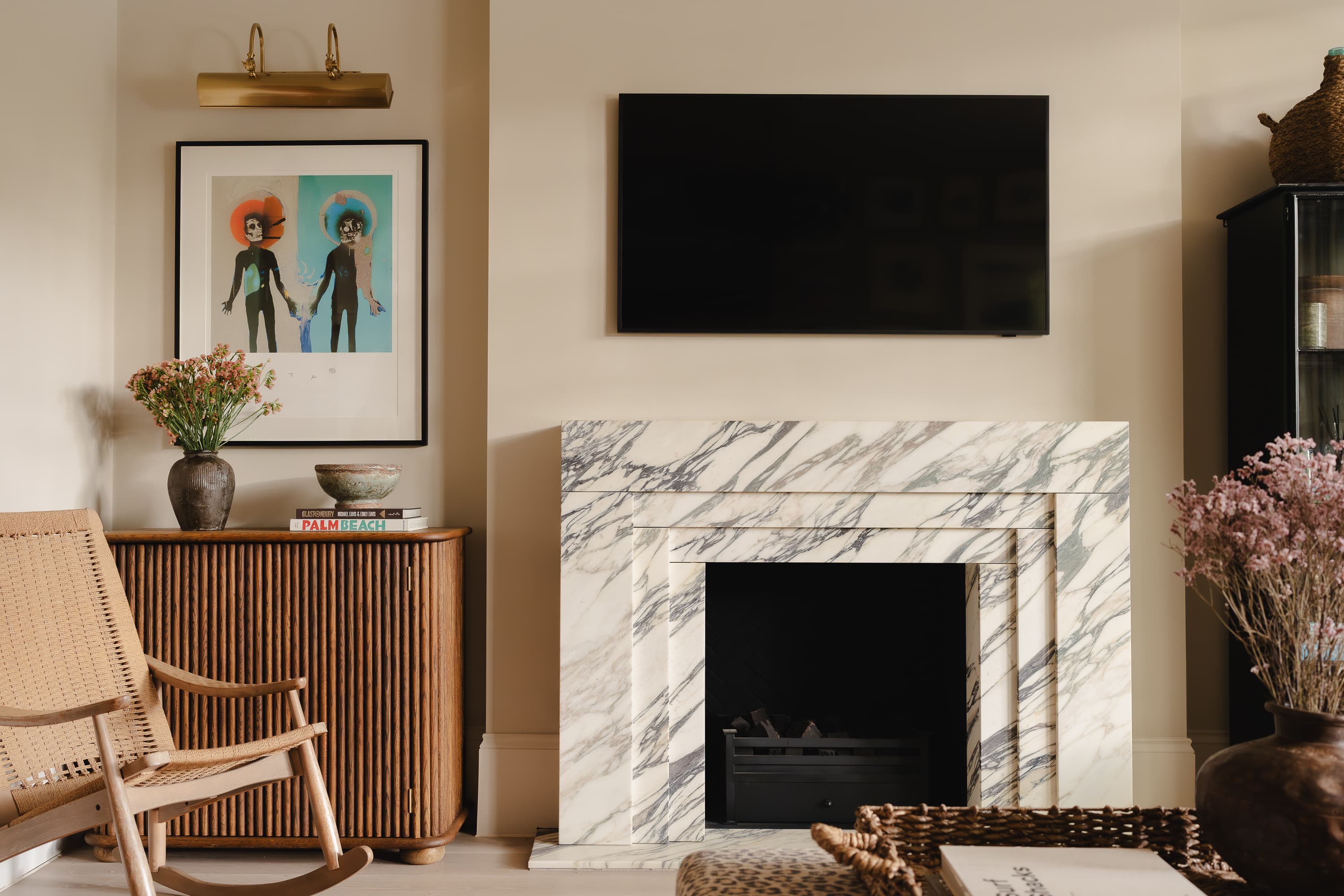
Tips to make the most of it
- Select the style, whether it's beadboard, shiplap or raised panels, ensure it harmonises with your décor.
- Consider the layout, full wall coverage, an accent wall, or wainscoting; the layout should enhance the space.
- Colour & finish, experiment with matte, gloss or distressed finishes for varied effects.
- Mix & match, don't be afraid to combine styles or materials; traditional wood with modern metal accents can be intriguing.
- Lighting, sconces, recessed lighting or decorative fixtures can accentuate the texture and design of the panels.
- Balance, ensure the panelling complements your furniture and décor to create a harmonious interior.
Incorporating panelling is an art that combines style, function and creativity. So let your creativity flow, and transform your living spaces with its timeless beauty.